5. 10. 2026
Minimum wage in 2027: impact on taxes and health insurance


News & blog
The Ministry of Finance has presented a draft legislative package that envisages the reintroduction of electronic sales registration in a new form referred to as EET 2.0. The package also includes further changes, particularly in the areas of personal income tax, family support, and the digitalisation of tax administration.
The draft Act on sales registration was submitted by the Ministry of Finance for the interdepartmental comment procedure on 19 February 2026. Once this procedure is completed, the draft will be submitted to the government and subsequently discussed by Parliament. According to the submitted proposal, most of the measures should take effect from 2027.
Compared to the original framework, the new sales registration system is intended to be technically simpler and to better reflect the current digital economy environment. The main objective is to reduce the administrative burden on businesses, especially smaller ones.
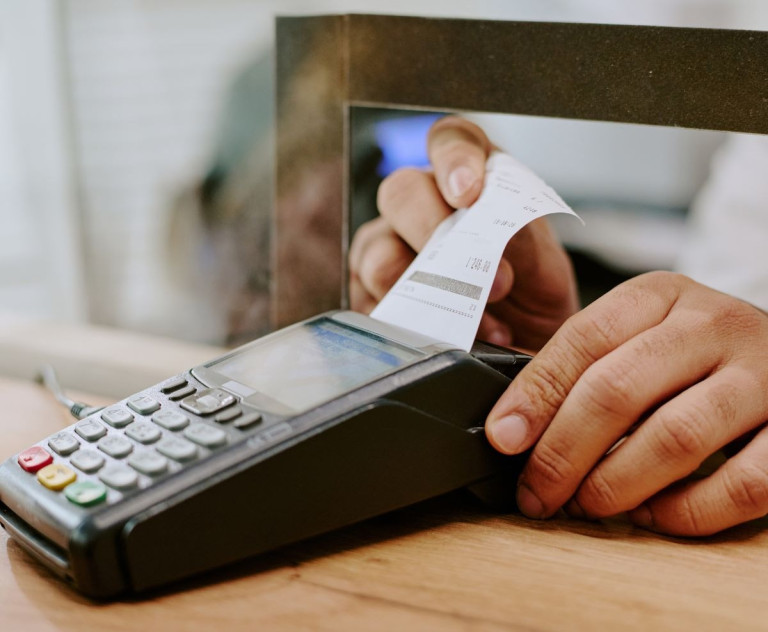
The registration requirement should apply to so-called contact payments, i.e. transactions carried out through personal contact between the business and the customer, for example at business premises or upon personal collection of goods or services. The registration should cover not only cash payments, but also certain cashless payment methods, such as card payments, QR code payments, gift cards, or vouchers. The proposed system is intended to work with only a minimal scope of transmitted data. At the same time, a free web application provided by the Financial Administration should be made available for the smallest businesses, enabling them to register sales without the need to purchase specialised equipment. The law should also no longer impose an obligation to automatically issue a receipt to the customer.
Another new feature is the introduction of a special regime referred to as “EET OFF”, intended for taxpayers in the first band of the flat-rate tax scheme with annual income of up to CZK 1 million. These taxpayers would not be required to register their sales; however, their flat-rate tax would be increased by CZK 1,400 per month. In order to use this regime, it will be necessary to notify the tax administrator. If a taxpayer ceases to meet the conditions for its use, the obligation to register sales will apply again from the following tax period.
The proposal also includes a one-off tax relief for taxpayers with income from self-employment, intended to compensate for the administrative costs associated with the introduction of sales registration. The amount of the relief is set as the difference between 15% of the partial tax base from self-employment income and the basic taxpayer tax credit, up to a maximum of CZK 5,000. The relief may only be claimed once, in the first tax period in which the taxpayer newly registers a sale. It will be available not only to businesses registering sales for the first time, but also to those that had already been involved in the original EET system.
The legislative package also contains amendments in the area of personal taxation. These include, for example, changes to the tax relief for placing a child in pre-school facilities, as well as other measures aimed at supporting families and employees.
Would you like to know how the proposed changes may affect your business in particular? Contact our tax team, we will help you assess the impacts and prepare for the new obligations in time.
Author: Alexa Horváthová - Junior Tax Consultant